1. Evolution & Taxonomy
Understanding plant evolution helps explain why certain families develop specific properties. Taxonomy allows accurate naming and identification.
Fields such as herbal medicine and nutrition therapy require strong baseline data to ensure rigor, safety, and real-world effectiveness.
Explore Our Data"Herbal medicine, naturopathy, nutrition therapy, and holistic approaches share one requirement: reliable plant knowledge. Without structured botanical data (identification, ecology, chemistry), health decisions remain fragile."
Understanding plant evolution helps explain why certain families develop specific properties. Taxonomy allows accurate naming and identification.
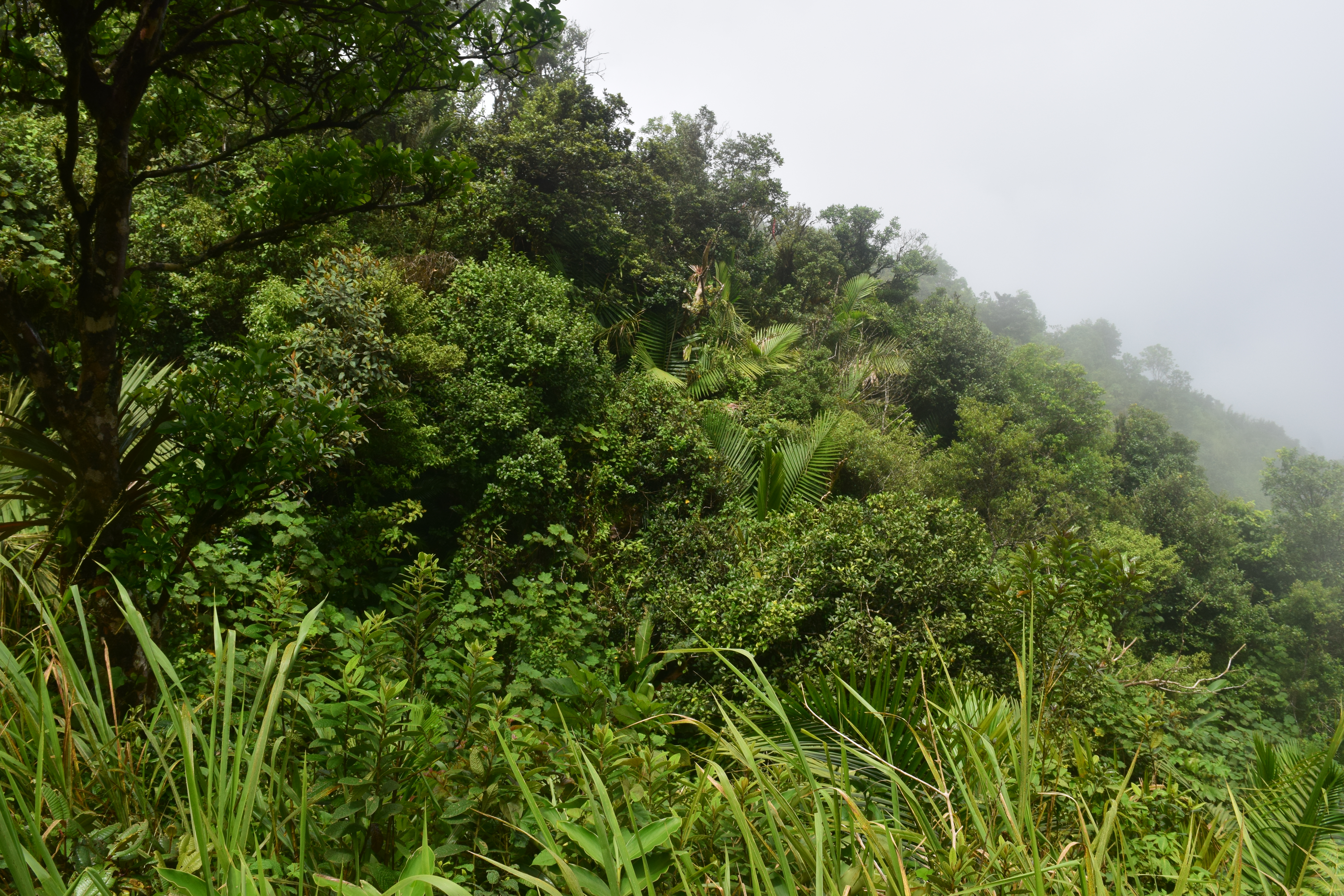
Plant–environment interactions shape chemical defenses. We also study zoopharmacognosy to better understand therapeutic effects.

Millennia of lived experience. We document cultural knowledge about nutritional and therapeutic uses—what to eat and how to heal.
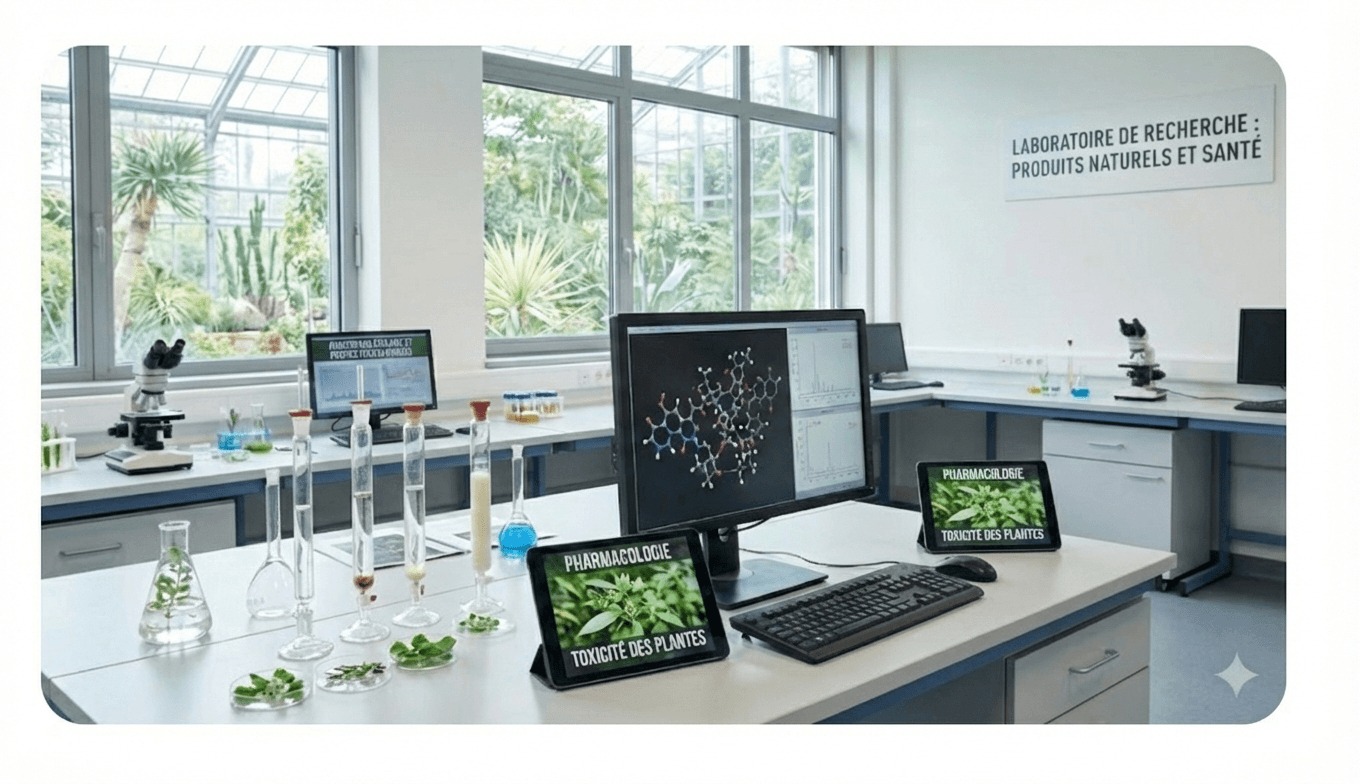
From molecules to evidence. Phytochemistry identifies compounds, while pharmacognosy studies their real effects on the body.
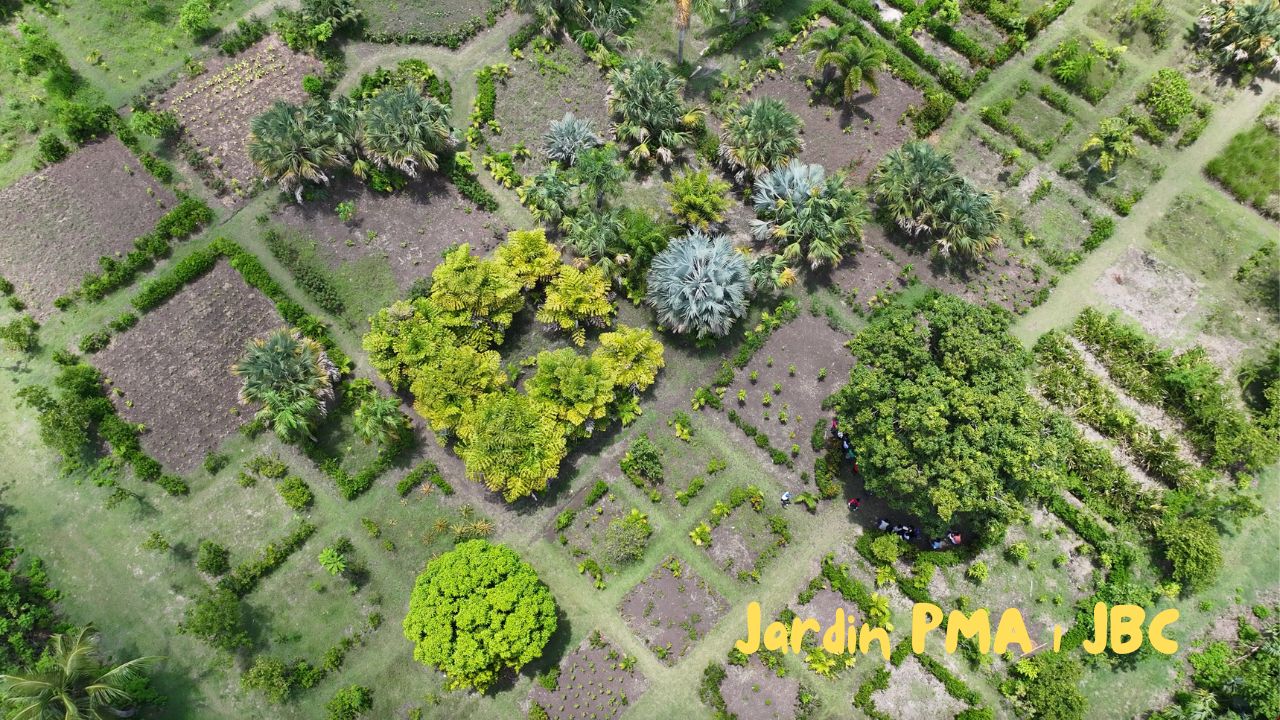
We return to the original mission: documenting Haiti’s rich cultural heritage (Taíno, African, European) and producing scientific data to make plant-based health safer today.
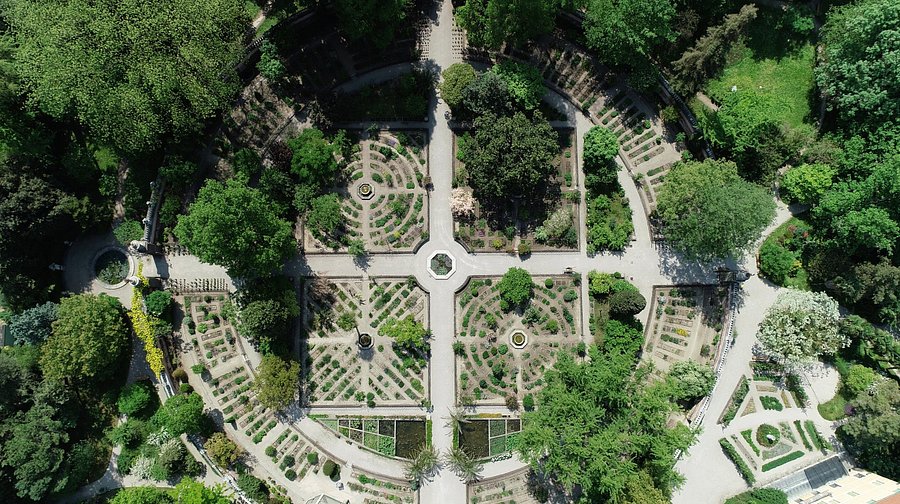
The first botanical garden was created in Italy to teach medicinal plants to future physicians—an early foundation of modern medicine.
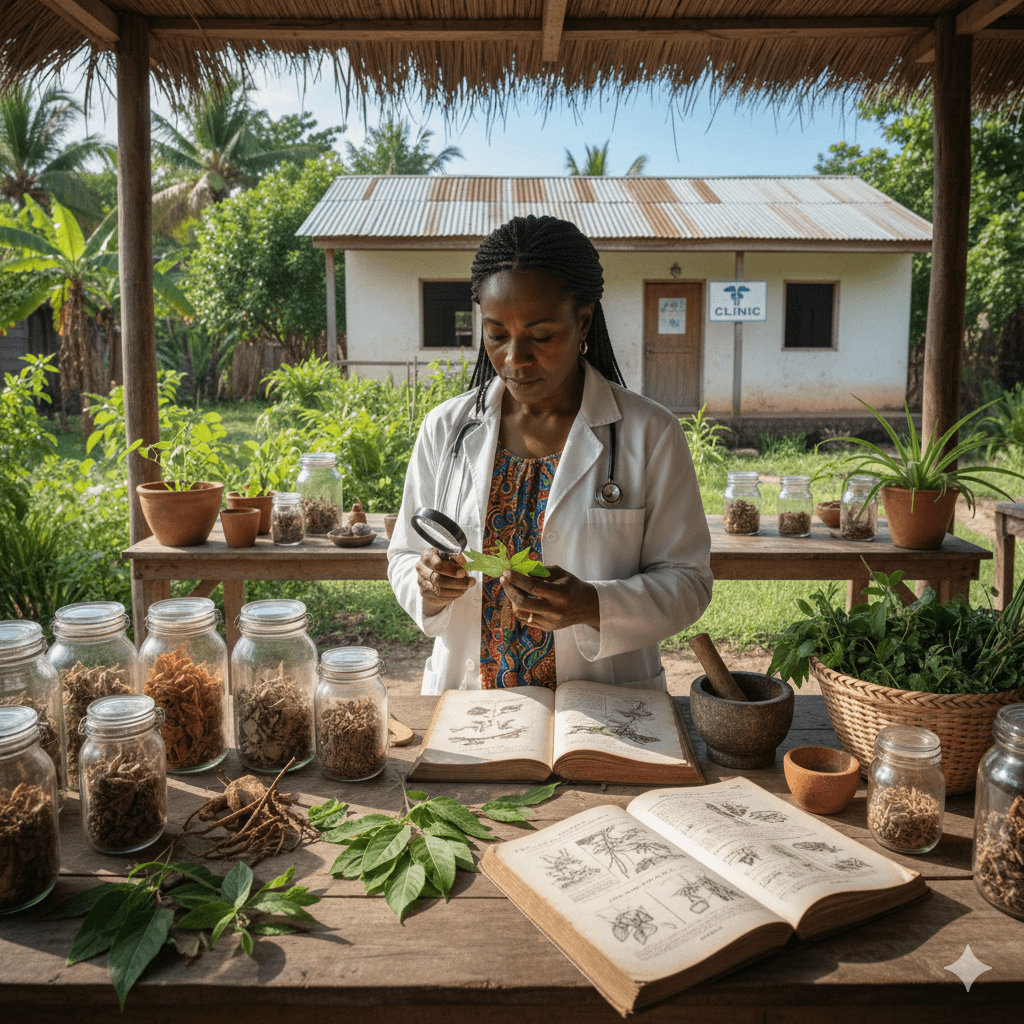
To understand plant–drug interactions, toxicology, and evidence-based use in clinical settings.
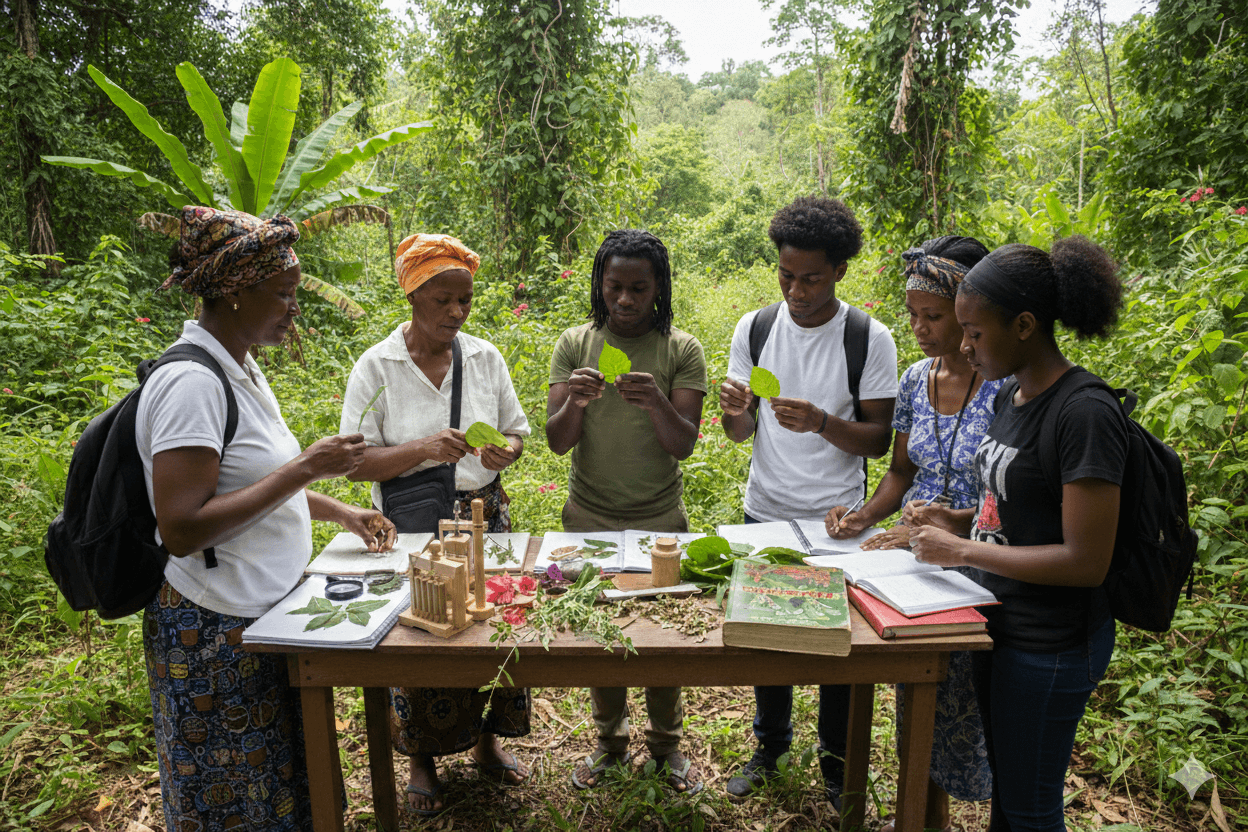
To strengthen traditional practice, ensure correct identification, and improve safety and dosage guidance.
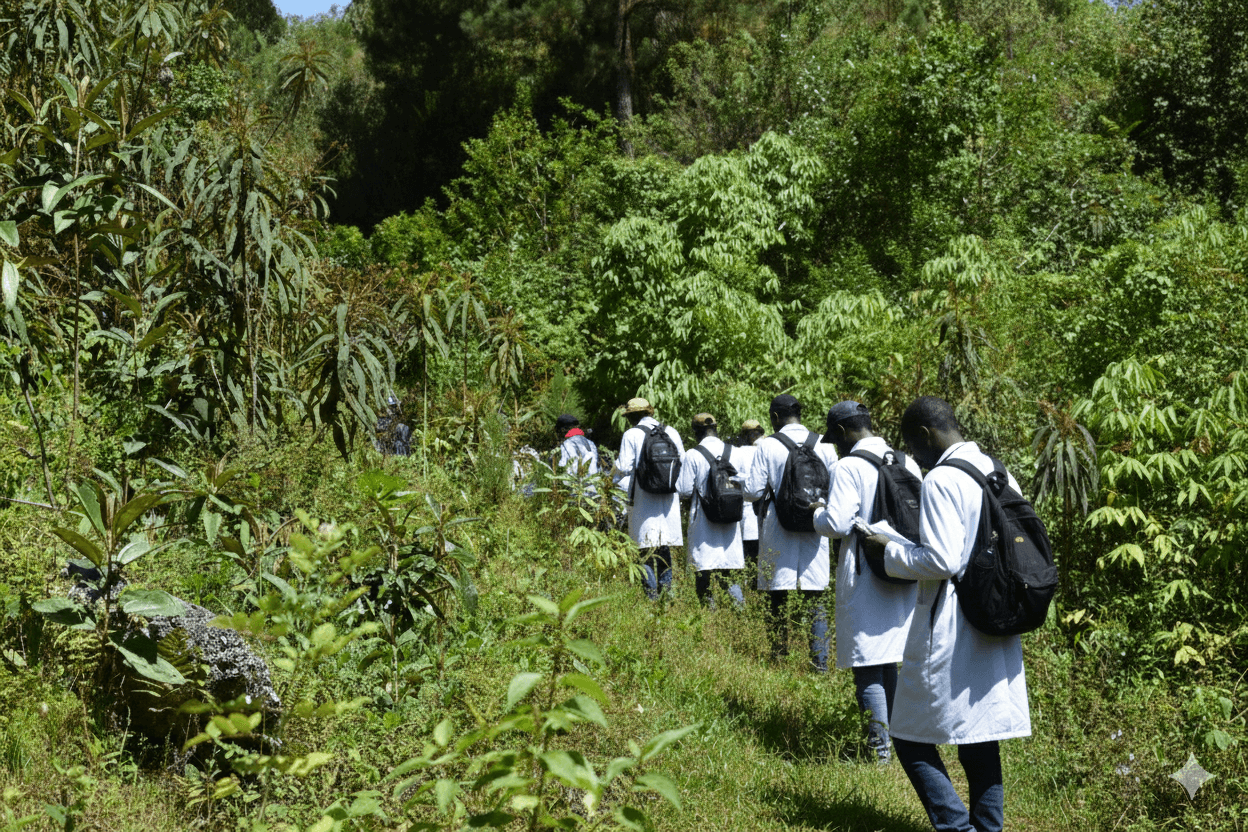
To discover new molecules and develop therapies from Haiti’s biodiversity.
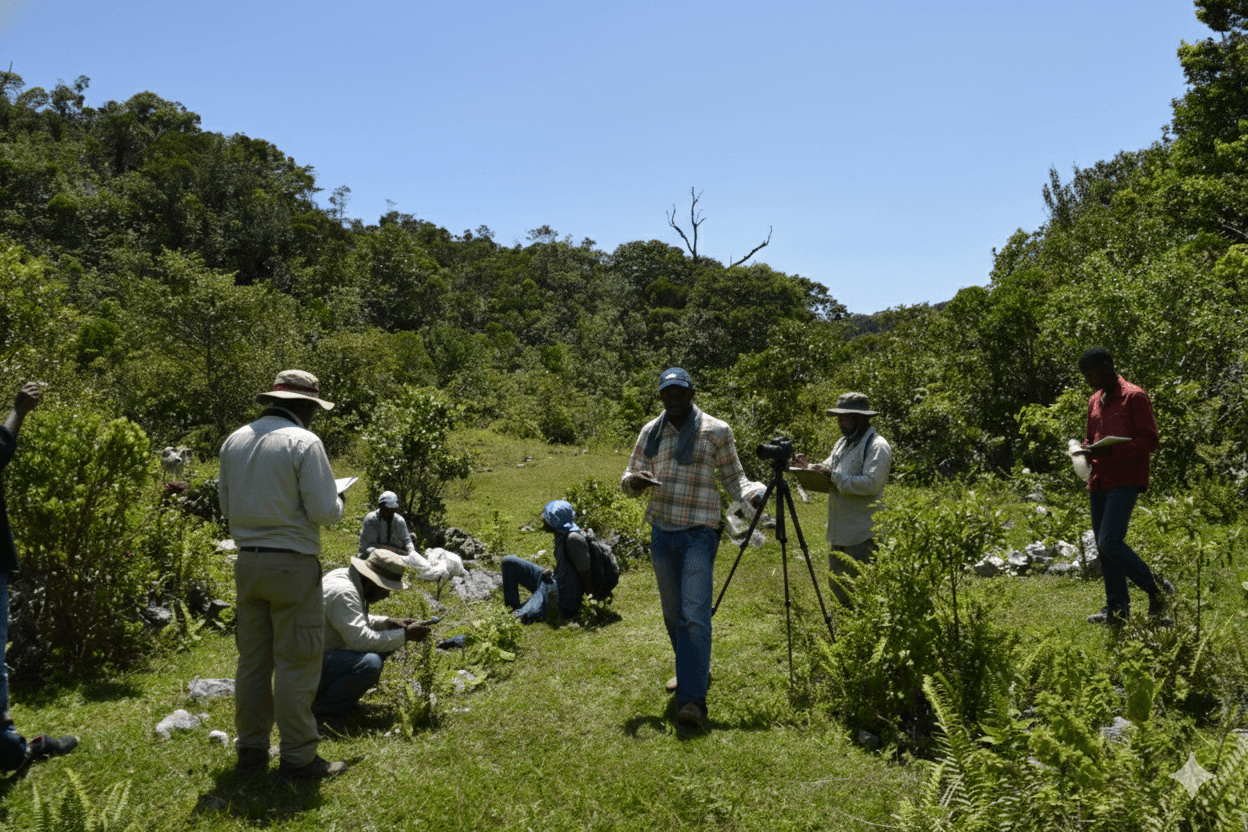
Foundational research.
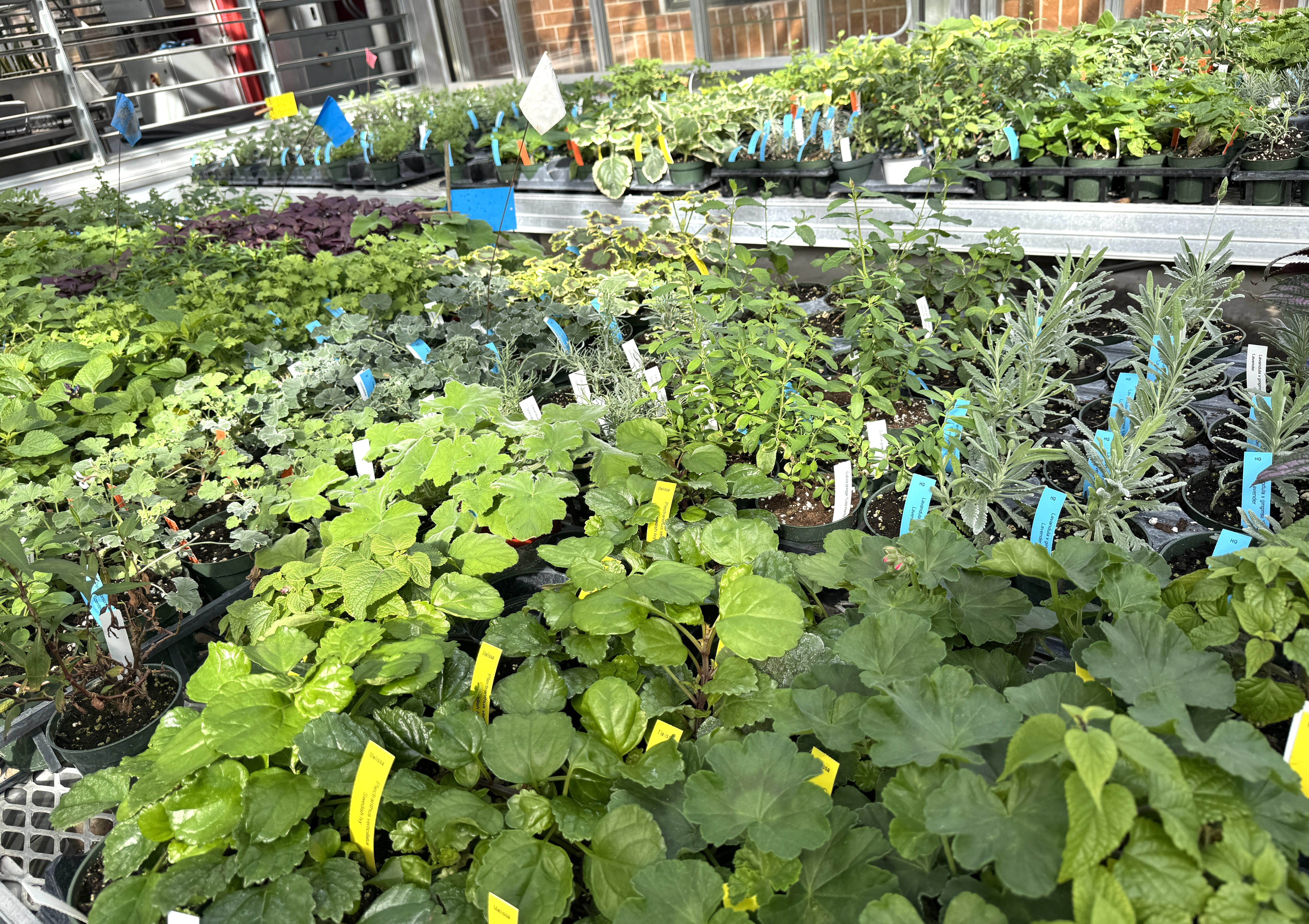
Medicinal nursery.
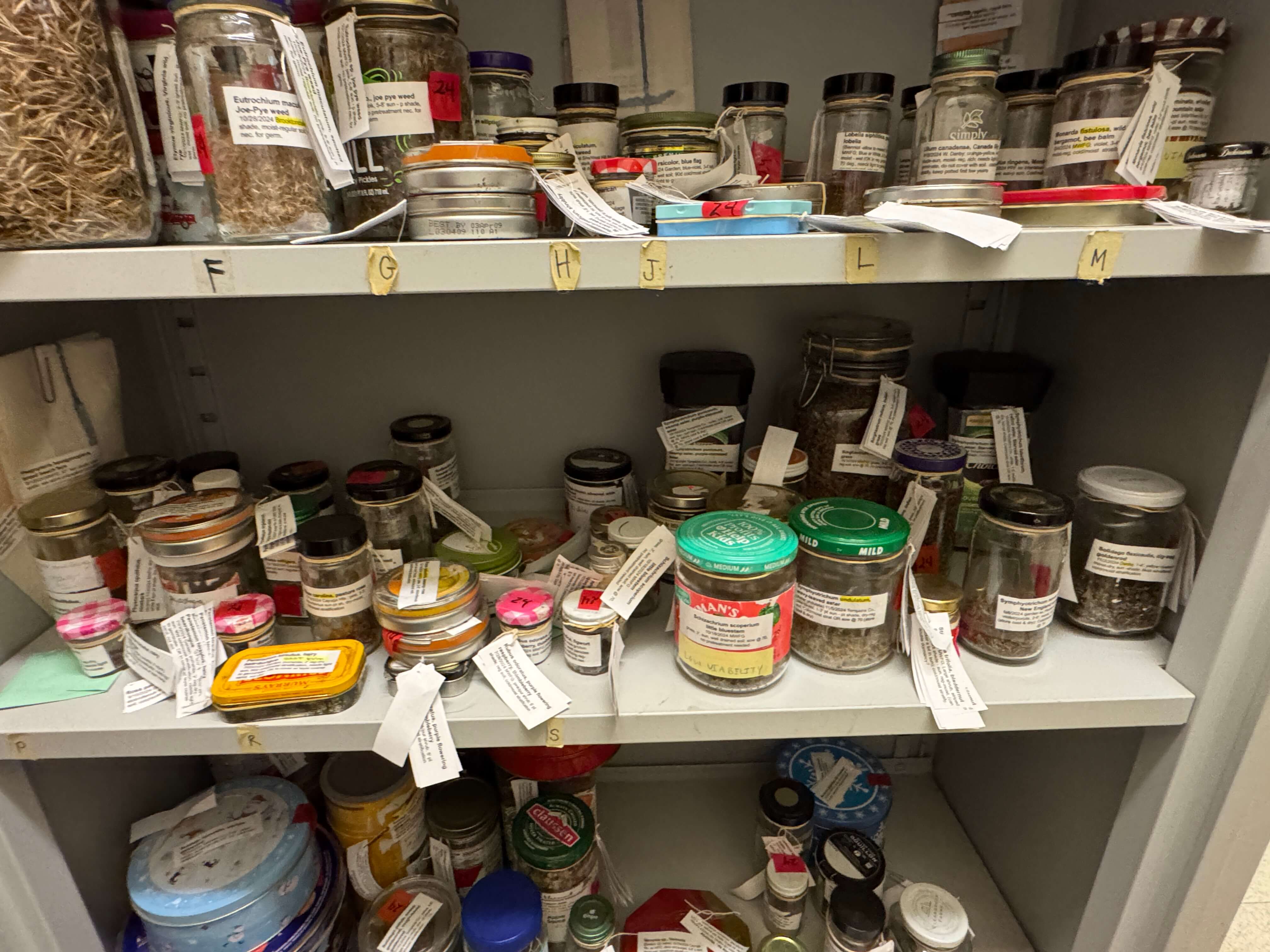
In-situ protection.
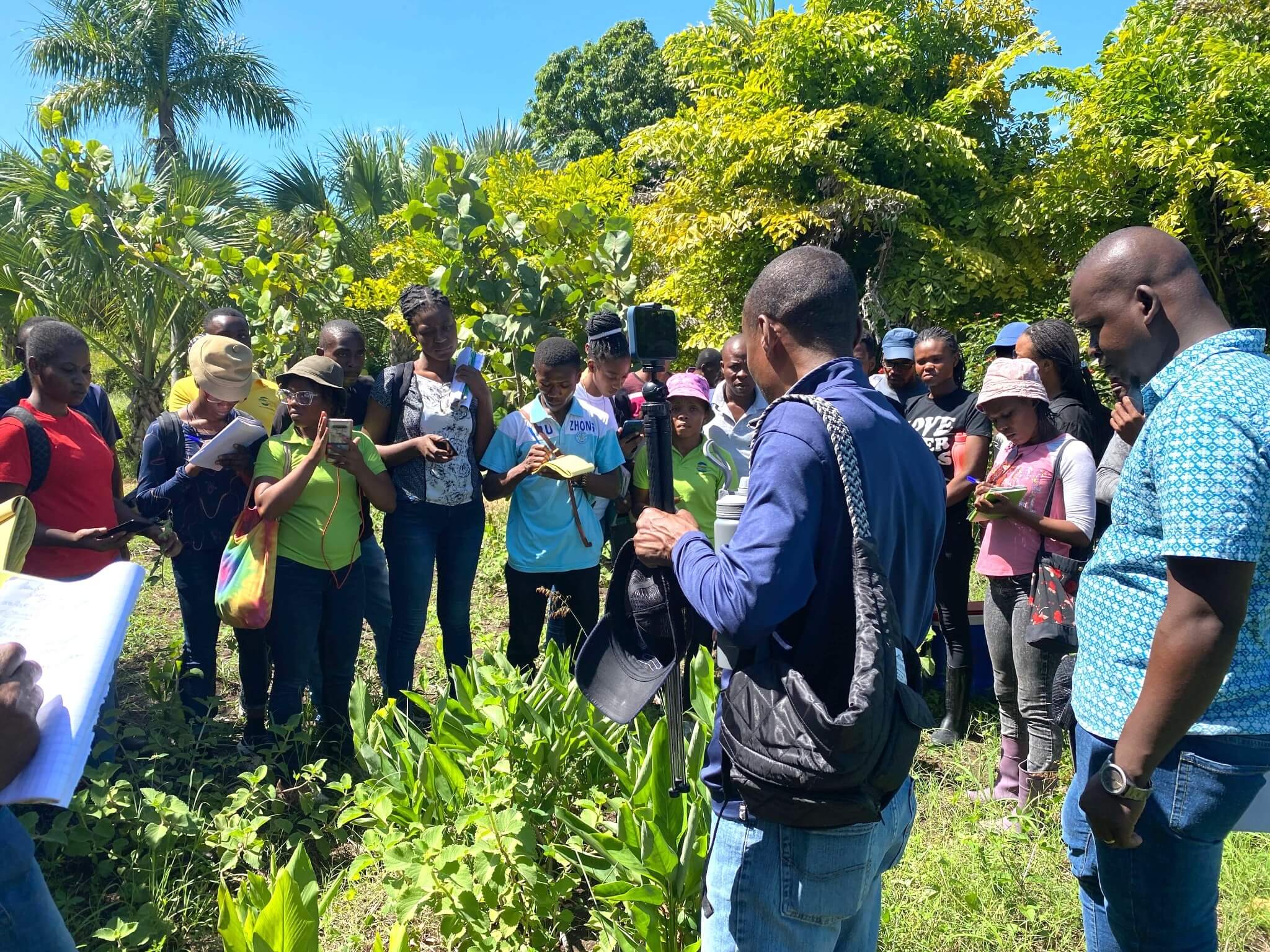
Health education.

With the support of the Bank of the Republic of Haiti, we conducted an inventory of medicinal plants in the Grand Sud, produced an identification atlas, and developed a conservation plan.
Discover the Atlas →Do you want to support human health and nature together?